
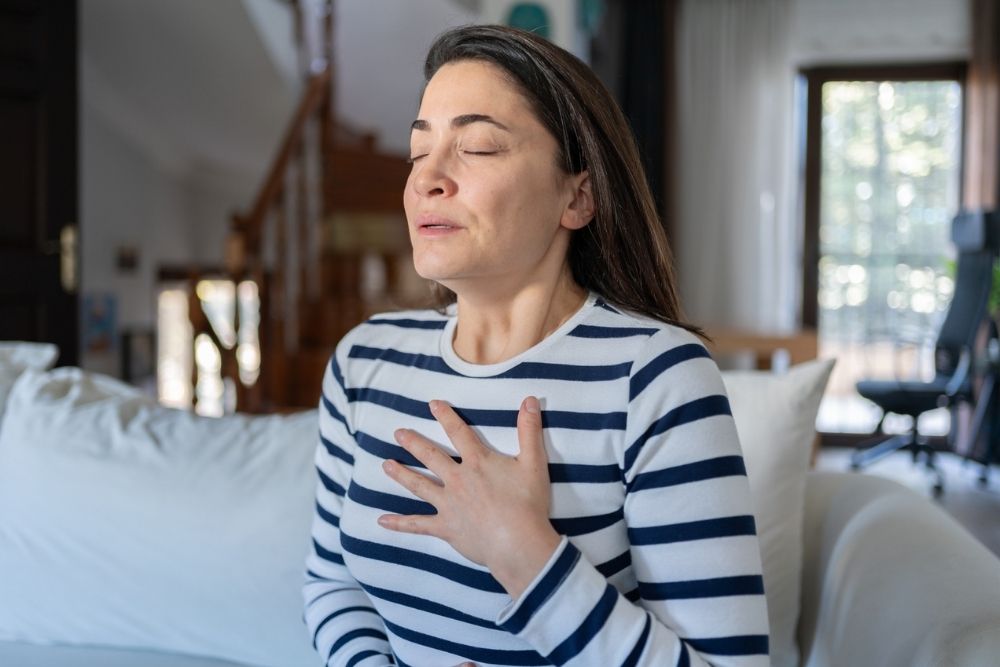
Panic attacks can feel overwhelming, frightening, and sudden—often striking without clear warning. For many people, experiencing a panic attack can feel like losing control or facing an immediate danger, even when no threat is present. Understanding what panic attacks are, why they happen, and how to respond can help reduce fear and empower you to navigate them more effectively.
What Is a Panic Attack?
A panic attack is an intense surge of fear or discomfort that peaks within minutes. It is the body’s alarm system activating inappropriately—triggering a “fight-or-flight” response even when you’re not in danger.
Although panic attacks are emotionally distressing, they are not life-threatening. They are, however, very real and can severely impact daily life if they occur frequently or unexpectedly.
Common Signs and Symptoms of a Panic Attack
Panic attacks often involve a combination of physical and emotional symptoms. Some of the most common include:
- Rapid heartbeat or heart palpitations
- Shortness of breath or a feeling of choking
- Chest pain or tightness
- Sweating or chills
- Trembling or shaking
- Lightheadedness or dizziness
- Nausea or stomach discomfort
- Feeling disconnected from reality
- Fear of “going crazy” or losing control
- Intense fear of dying
Because these symptoms mimic medical emergencies, many people experiencing their first panic attack believe they’re having a heart attack.
Why Do Panic Attacks Happen?
There is no single cause of panic attacks—rather, several biological, psychological, and environmental factors can contribute. Common triggers and underlying reasons include:
- Stress and life changes. Major life transitions—such as a move, new job, relationship changes, or loss—can overwhelm the nervous system and trigger panic.
- Anxiety disorders. People with anxiety disorders such as generalized anxiety disorder, panic disorder, social anxiety, or phobias are more likely to experience panic attacks.
- Trauma or past stress. Unresolved trauma or chronic stress can heighten the body’s sensitivity to perceived danger, making panic attacks more likely.
- Genetics and brain chemistry. Family history and imbalances in neurotransmitters like serotonin and norepinephrine can increase susceptibility.
- Physical health factors. Certain medical conditions or physiological changes can trigger panic-like symptoms, including thyroid issues, heart rhythm disturbances, and stimulant use (caffeine, nicotine, certain medications)
- Avoidance behaviors. Avoiding feared situations or environments can increase anticipatory anxiety, making a panic attack more likely when you eventually confront the stressor.
- “False Alarm” response. Sometimes, the body misinterprets normal bodily sensations—like a racing heart during exercise—as danger, causing panic to spiral.
What To Do If You’re Having a Panic Attack
Panic attacks are frightening, but there are effective strategies to help you move through them safely:
- Focus on slow, steady breathing. Deep, controlled breathing can calm the nervous system. Try inhaling for four seconds, holding for two, and exhaling for six.
- Ground yourself in your surroundings. Use grounding techniques such as: naming five things you can see, feeling your feet on the floor, or holding a cold object. These methods help refocus your mind away from fear.
- Remind yourself that you are safe. Tell yourself: “This is a panic attack. It will pass. I am not in danger.” This reassurance can reduce the intensity.
- Avoid trying to fight the attack. Resisting panic can escalate symptoms. Instead, acknowledge what you’re feeling and allow the wave to pass.
- Practice muscle relaxation. Tense and then relax your muscles, starting from your feet and moving upward. This helps interrupt the fight-or-flight response.
- Seek professional support. If panic attacks happen frequently, interfere with daily life, or create fear of future episodes, professional help can make a significant difference.
You Don’t Have to Face Panic Alone
If you are struggling with panic attacks or any type of anxiety disorder, the mental health professionals at Palms Behavioral Health in Harlingen, TX, can support you on your journey to a better life. Our compassionate team provides evidence-based treatment to help you understand your symptoms, regain control, and build the skills needed to live with greater confidence and peace.